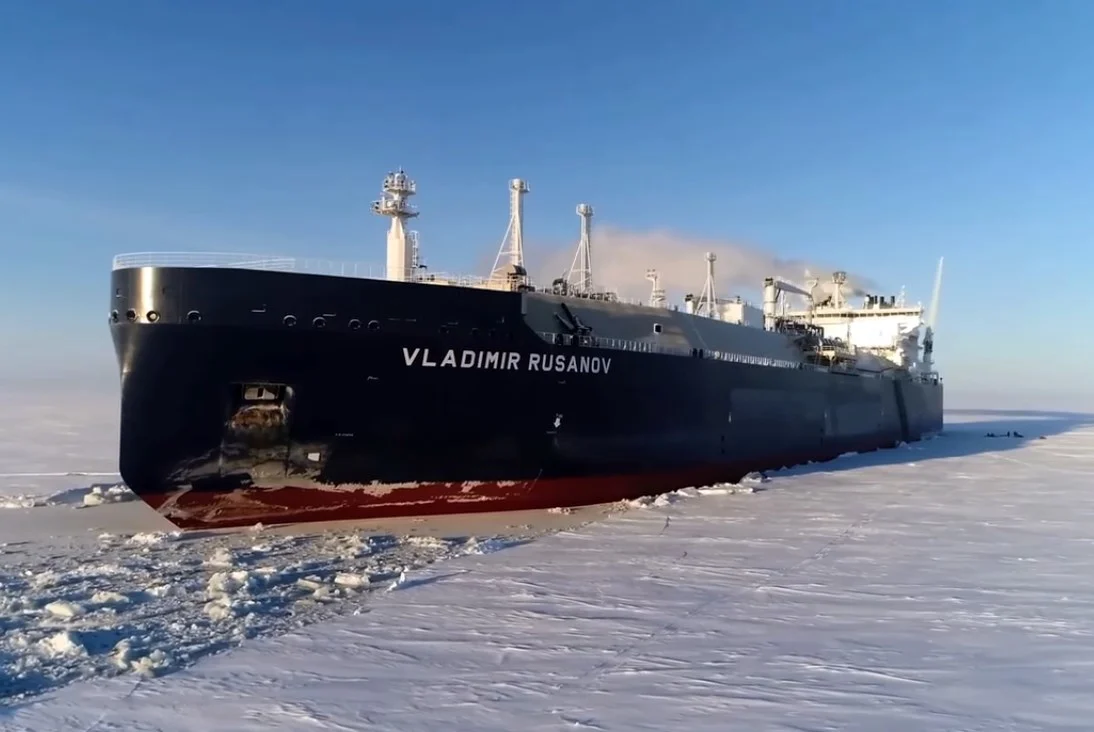
1. China–Russia cooperation in the Arctic is primarily pragmatic and project-driven. Rather than forming a unified strategic alliance in the Arctic, the partnership is centered on specific projects—particularly in energy development, shipping logistics, and infrastructure. Economic incentives remain the primary driver of cooperation.
2. Russia remains the agenda-setter in Arctic development. As the largest Arctic coastal state, Russia controls access to key resources, infrastructure, and regulatory frameworks along the Northern Sea Route. China’s participation depends largely on Russia’s willingness to open projects to external investment and cooperation.
3. Sanctions and technological constraints significantly shape the trajectory of cooperation. Western sanctions on Russia have increased Moscow’s interest in Chinese investment and technology. At the same time, Chinese firms remain cautious due to concerns about secondary sanctions, financial risk, and project viability.
4. Expanding economic activity in the Arctic will increase pressure on governance frameworks. Growing infrastructure development, shipping activity, and resource extraction will require stronger environmental safeguards, safety regulations, and clearer operational standards in a fragile Arctic ecosystem.
5. Arctic governance will increasingly involve both regional and extra-regional actors. The participation of non-Arctic stakeholders such as China is becoming more prominent, particularly in scientific research, infrastructure investment, and maritime operations. Managing the balance between Arctic state authority and broader international participation will remain a central governance challenge.